label_stop_radio

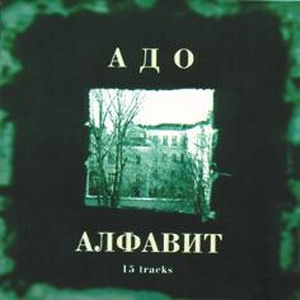
Алфавит
Адо is a Soviet and Russian rock band, which started its existence in 1988 when they recorded their first (still homemade) album Ночной суп. In the studio located in the Moscow region town of Kolomna, two future graduates of the Bauman Moscow State Technical University worked on the recording of this tape: the author of all the material of Адо Andrey Gorokhov and Valery Anikin (who studied at the same faculty of the Bauman University). Andrey sang and played rhythm guitar, while Valery recorded bass parts and solo guitar. It was then that the style of the group was established - melodic song rock with figurative lyrics, which always remained recognizable. The album soon received a diploma of laureate at the competition of magnetic albums of the Leningrad magazine Аврора, and the group received serious support from the writer A.N. Zhitinsky and the leader of the group Аквариум Boris Grebenshchikov, who supervised the competition. From this moment on, Адо became known in the Soviet Union. The group recruited members and began performing concerts (including with Аквариум and Крематорий, their first songs were played on radio and TV. Vitaly Levkovets, a violinist, Dmitry Yunkin, a bassist (also students at Bauman), and Ivan Voropaev, an altist known for his performances in Аквариум joined Адо. All these musicians (except Levkovets, who left) recorded a successful album Останови меня, Ночь in the summer of 1990, which became their first professional work and was released as an LP a year later by Melodiya. The band gained popularity, recorded two more acoustic albums - Золотые Орехи (1992) and Осколки (1994), where talented pianist Yuri Smolyakov debuted (then a student of the Academy of Management). It is worth mentioning the music magazine Охота (as well as Andrey Gorokhov's radio show of the same name), which the group published in the early 90s. After that, Gorokhov decided to update the sound and make it more dynamic. After the departure of Bauman musicians (and Voropaev left earlier, replaced briefly by violinist Tatiana Korobochkina), bassist Mikhail Mitrofanov was invited to the band for one year. With him and several studio musicians, they recorded the most popular album of the band Веди себя хорошо (1996) - the first drum album of Адо - what Gorokhov and Smolyakov aimed for. The title song from the album (as well as the claymation video for it) noticeably livened up the situation around the band - the hit was broadcast on many radio stations and TV channels. For the recording of the next album Алфавит (1998), Smolyakov invited a quality rhythm section in the person of bassist Sergey Reshetnikov and drummer Igor Ivankovich, who, after recording the album, remained in the band. Later, a young guitarist Ilya Shapovalov joined. Kirill Rossolimo, a former administrator of Адо (in 93-95), who returned to the group as a percussionist. The band actively toured, and released albums, but the Russian default of 98 severely undermined the music market, and Andrey Gorokhov was forced to work abroad for several years. The band's activity sharply declined. In 2000, another album Римский папа курит Беломор was released, but after that, apart from compilations and reissues, the band had nothing new. Only at the end of 2004, Адо returned to the studio to record a new album Ursus, which was released in April 2007. In total, by 2010, Ado released 22 records (including vinyl, compilations, reissues). The album of urban romances Эскимо! (the only cover project in the history of Адо) was published on the official website of the band on April 1, 2013. Read more on Last.fm. User-contributed text is available under the Creative Commons By-SA License; additional terms may apply.
Адо is a Soviet and Russian rock band, which started its existence in 1988 when they recorded their first (still homemade) album Ночной суп. In the studio located in the Moscow region town of Kolomna, two future graduates of the Bauman Moscow State Technical University worked on the recording of this tape: the author of all the material of Адо Andrey Gorokhov and Valery Anikin (who studied at the same faculty of the Bauman University). Andrey sang and played rhythm guitar, while Valery recorded bass parts and solo guitar. It was then that the style of the group was established - melodic song rock with figurative lyrics, which always remained recognizable. The album soon received a diploma of laureate at the competition of magnetic albums of the Leningrad magazine Аврора, and the group received serious support from the writer A.N. Zhitinsky and the leader of the group Аквариум Boris Grebenshchikov, who supervised the competition. From this moment on, Адо became known in the Soviet Union. The group recruited members and began performing concerts (including with Аквариум and Крематорий, their first songs were played on radio and TV. Vitaly Levkovets, a violinist, Dmitry Yunkin, a bassist (also students at Bauman), and Ivan Voropaev, an altist known for his performances in Аквариум joined Адо. All these musicians (except Levkovets, who left) recorded a successful album Останови меня, Ночь in the summer of 1990, which became their first professional work and was released as an LP a year later by Melodiya. The band gained popularity, recorded two more acoustic albums - Золотые Орехи (1992) and Осколки (1994), where talented pianist Yuri Smolyakov debuted (then a student of the Academy of Management). It is worth mentioning the music magazine Охота (as well as Andrey Gorokhov's radio show of the same name), which the group published in the early 90s. After that, Gorokhov decided to update the sound and make it more dynamic. After the departure of Bauman musicians (and Voropaev left earlier, replaced briefly by violinist Tatiana Korobochkina), bassist Mikhail Mitrofanov was invited to the band for one year. With him and several studio musicians, they recorded the most popular album of the band Веди себя хорошо (1996) - the first drum album of Адо - what Gorokhov and Smolyakov aimed for. The title song from the album (as well as the claymation video for it) noticeably livened up the situation around the band - the hit was broadcast on many radio stations and TV channels. For the recording of the next album Алфавит (1998), Smolyakov invited a quality rhythm section in the person of bassist Sergey Reshetnikov and drummer Igor Ivankovich, who, after recording the album, remained in the band. Later, a young guitarist Ilya Shapovalov joined. Kirill Rossolimo, a former administrator of Адо (in 93-95), who returned to the group as a percussionist. The band actively toured, and released albums, but the Russian default of 98 severely undermined the music market, and Andrey Gorokhov was forced to work abroad for several years. The band's activity sharply declined. In 2000, another album Римский папа курит Беломор was released, but after that, apart from compilations and reissues, the band had nothing new. Only at the end of 2004, Адо returned to the studio to record a new album Ursus, which was released in April 2007. In total, by 2010, Ado released 22 records (including vinyl, compilations, reissues). The album of urban romances Эскимо! (the only cover project in the history of Адо) was published on the official website of the band on April 1, 2013. Read more on Last.fm. User-contributed text is available under the Creative Commons By-SA License; additional terms may apply.
Веди себя хорошо
Пассажир
Я хотел бы умереть во сне
Когда тормозил трамвай
Поезд
Девочка
Осколки
Я убегаю от дождя
Прогулки с Пушкиным
Смешно
Нахал
Когда Ты Остаёшься Одна
Я защищаю дом
Я тебя никому не отдам
Что остается нам
Останови меня, ночь
Я давил цветное стекло
Она вышла из дома
Царь
Стакан воды
Только весной
Успеваю закрыть окно
Карточный домик
Поклонилось Солнце Месяцу
Река
Если ты еще любишь меня
Парк (Это осень)
Мой ветер
Я убиваю тебя
Когда ты остаёшься одна
Звезды закрывают глаза
Алессандро
Что остаётся нам
Бог мой
Музыка
Когда ты останешься одна
Сон в летнюю ночь
К Рождеству
Боланоид
Гамлет
Не выходя из дома
Золотые часы
Я иду навстречу солнцу
Нож
Мой Ветер
Римский папа курит беломор
Веди Себя Хорошо
Я остаюсь
Лучшая песня
Сказка из леса