label_stop_radio

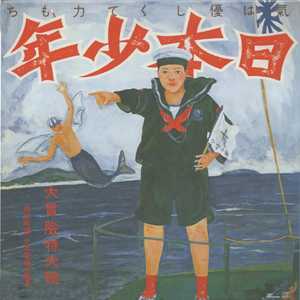
日本少年 -ヂパング・ボーイ
Agata Morio made his debut in 1972 with his now famous love song Sekishoku Elegy. His trademark long hair, jeans and geta sandals made him one of the symbols of the 'gentle generation' from the early seventies, and a dominant singer/songwriter of the time. Although influenced by contemporary American folk/rock music and the hippy movement, he was not a mere follower, and created a thoroughly original music world which evoked the romantic popular culture of Taisho and Showa era-Japan. After his debut album Otome no Roman, he zoomed through the seventies and eighties with the release of such works as Aa Mujou (Les Miserables), Zipangu Boy, Eien no Enkoku, all pregnant with the Morio Agata worldview. The release of Bandoneon no Jaguar in 1987 coincided with the Tango boom of the time, and also marks the start of Agata's foray into World Music, resulting in his formation of Raizo in the early nineties. Since then his activities have spread to many fields such as film production and writing, and in the 21st century he released Sato Sensei wa Zankoku na Hito desu kedo, surrounding himself with talents such as Makoto Kubota, Soichiro Suzuki, and HARCO Read more on Last.fm. User-contributed text is available under the Creative Commons By-SA License; additional terms may apply.
Agata Morio made his debut in 1972 with his now famous love song Sekishoku Elegy. His trademark long hair, jeans and geta sandals made him one of the symbols of the 'gentle generation' from the early seventies, and a dominant singer/songwriter of the time. Although influenced by contemporary American folk/rock music and the hippy movement, he was not a mere follower, and created a thoroughly original music world which evoked the romantic popular culture of Taisho and Showa era-Japan. After his debut album Otome no Roman, he zoomed through the seventies and eighties with the release of such works as Aa Mujou (Les Miserables), Zipangu Boy, Eien no Enkoku, all pregnant with the Morio Agata worldview. The release of Bandoneon no Jaguar in 1987 coincided with the Tango boom of the time, and also marks the start of Agata's foray into World Music, resulting in his formation of Raizo in the early nineties. Since then his activities have spread to many fields such as film production and writing, and in the 21st century he released Sato Sensei wa Zankoku na Hito desu kedo, surrounding himself with talents such as Makoto Kubota, Soichiro Suzuki, and HARCO Read more on Last.fm. User-contributed text is available under the Creative Commons By-SA License; additional terms may apply.
デイジィ(ミス ウオルト デイジィ)
赤色エレジー
4000粒の恋の唄
サブマリン
大道芸人
清怨夜曲
乙女の儚夢
春の調べ
女の友情
薔薇瑠璃学園
冬のサナトリウム
雨傘
大寒町
恋のラジオシティ
電気ブラン
秋の調べ
ブリキ・ロックンロール
春の嵐の夜の手品師
キネマ館に雨が降る
蒲田行進曲'74
リラのホテル
いとしの第六惑星
曲馬団小屋
僕は天使ぢゃないよ
コックテイル・マシーン
エアプレイン
君はハートのクィーンだよ
君はハートのクイーンだよ
連続香水瓶
黄昏ワルツ
ヴヰクトリアルの夜
星のふる郷
森の小人
つめたく冷して
テレビヂョン
水晶になりたい
はいからはくち
永遠のマドンナK
月曜日のK
上海リル
Rの解答
百合コレクション
佐藤敬子先生はザンコクな人ですけど
薄荷糖の夏
パール・デコレーションの庭
ヂパング・ボーイ
ノオチラス艦長ネモ
Mezcal(はじめに歌ありて)
港のロキシー
函館ハーバー猫町ホーボー