label_stop_radio

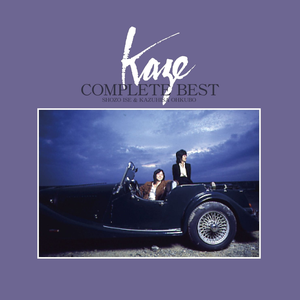
風/コンプリート・ベスト
Kaze (風) was a Japanese musical duo composed of singer-songwriters Shōzō Ise and Kazuhisa Ōkubo. They were best known for their chart-topping debut single 22-Sai no Wakare which was released in 1975. Shōzō Ise (伊勢 正三, Ise Shōzō, born November 13, 1951) Kazuhisa Ōkubo (大久保 一久, ŌKubo Kazuhisa, born July 22, 1950) After he joined Kaguyahime, the folk-oriented pop group fronted by Kōsetsu Minami, Shōzō Ise came to prominence as a recording artist. Along with Minami and Panda Yamada, he enjoyed a successful career during the first half of the 1970s, scoring four consecutive number-one albums on the Japanese Oricon chart. However, owing to conflict with Crown Records which ignored the artist's intention, the trio decided to split at the peak of their popularity and other members started their own solo career. On the suggestion of record executive Yutaka Goto, a representative of their management office at the time, Ise formed another recording project with Kazuhisa Ōkubo. Like Ise, Ōkubo had quit the folk-rock band Neko in early 1975. On February 5, 1975, about two months before Kaguyahime's farewell concert, Kaze's first single 22-Sai no Wakare was released. A month after, it topped the chart and eventually became one of the best-selling singles on the Japanese chart of that year with sales of over 700,000 units, making the group's only top-ten entry there.[1] The song itself was a remake version of Kaguyahime's fan-favorite tune penned by Ise, which originally appeared on the trio's Sankaidate no Uta album released in 1974. It became Kaze's signature song and has been one of the standard Japanese pop songs from the 1970s, later released cover versions by artists including Kozo Murashita, Akina Nakamori, Cool Five, and Kei Yasuda with Mari Yaguchi from Morning Musume.[2] At first, however, composer hesitated to release a previously released effort as the duo's debut single. Therefore, he appealed to the record label to exclude the song from their first album, despite its success.[3] Their debut album, titled simply First, was released in June 1975. The album went straight to the top of the Japanese charts, even though it did not contain a successful hit single. The album featured then-unknown Tatsuro Yamashita, Junko Yamamoto (later known as a lead vocalist of Hi-Fi Set), and Minako Yoshida on background vocals.[3] From 1975 to 1978, Kaze released five studio albums from Nippon Crown, all of which reached the top three on the Japanese Oricon chart.[4] Their early two efforts were introspective folk-oriented pop, but Ise pursued West Coast-style jazz-rock sound on later materials with an arranger Ichizō Seo, particularly influenced by one of their favorite artists Steely Dan.[3] The results were generally successful in commercial terms, though those were greeted with mixed reputation among their fans. After fifth album Moony Night was released, the duo went on hiatus to each launch a solo career. Ise has continued his musical career intermittently to date, while Ōkubo left show business in circa 1983 and changed his job to a pharmacist. Though he had semi-retired as a professional musician, Ōkubo occasionally returned to the stage before his comeback in the early 2000s. On August 11, 1990, the pair performed together at annual concert called Summer Picnic held by Kōsetsu Minami at Seaside Momochi in Fukuoka City.[5] Kaze was reunited in 2007. Ise and Ōkubo had prepared the duo's concert tour in the following year, but the plan was canceled because Ōkubo was hospitalized due to a stroke during rehearsals in April 2008.[6] A year later, Ise embarked on unplugged solo tour entitled Hitori Tabi composed of only Kaze's songs.[7] Read more on Last.fm. User-contributed text is available under the Creative Commons By-SA License; additional terms may apply.
Kaze (風) was a Japanese musical duo composed of singer-songwriters Shōzō Ise and Kazuhisa Ōkubo. They were best known for their chart-topping debut single 22-Sai no Wakare which was released in 1975. Shōzō Ise (伊勢 正三, Ise Shōzō, born November 13, 1951) Kazuhisa Ōkubo (大久保 一久, ŌKubo Kazuhisa, born July 22, 1950) After he joined Kaguyahime, the folk-oriented pop group fronted by Kōsetsu Minami, Shōzō Ise came to prominence as a recording artist. Along with Minami and Panda Yamada, he enjoyed a successful career during the first half of the 1970s, scoring four consecutive number-one albums on the Japanese Oricon chart. However, owing to conflict with Crown Records which ignored the artist's intention, the trio decided to split at the peak of their popularity and other members started their own solo career. On the suggestion of record executive Yutaka Goto, a representative of their management office at the time, Ise formed another recording project with Kazuhisa Ōkubo. Like Ise, Ōkubo had quit the folk-rock band Neko in early 1975. On February 5, 1975, about two months before Kaguyahime's farewell concert, Kaze's first single 22-Sai no Wakare was released. A month after, it topped the chart and eventually became one of the best-selling singles on the Japanese chart of that year with sales of over 700,000 units, making the group's only top-ten entry there.[1] The song itself was a remake version of Kaguyahime's fan-favorite tune penned by Ise, which originally appeared on the trio's Sankaidate no Uta album released in 1974. It became Kaze's signature song and has been one of the standard Japanese pop songs from the 1970s, later released cover versions by artists including Kozo Murashita, Akina Nakamori, Cool Five, and Kei Yasuda with Mari Yaguchi from Morning Musume.[2] At first, however, composer hesitated to release a previously released effort as the duo's debut single. Therefore, he appealed to the record label to exclude the song from their first album, despite its success.[3] Their debut album, titled simply First, was released in June 1975. The album went straight to the top of the Japanese charts, even though it did not contain a successful hit single. The album featured then-unknown Tatsuro Yamashita, Junko Yamamoto (later known as a lead vocalist of Hi-Fi Set), and Minako Yoshida on background vocals.[3] From 1975 to 1978, Kaze released five studio albums from Nippon Crown, all of which reached the top three on the Japanese Oricon chart.[4] Their early two efforts were introspective folk-oriented pop, but Ise pursued West Coast-style jazz-rock sound on later materials with an arranger Ichizō Seo, particularly influenced by one of their favorite artists Steely Dan.[3] The results were generally successful in commercial terms, though those were greeted with mixed reputation among their fans. After fifth album Moony Night was released, the duo went on hiatus to each launch a solo career. Ise has continued his musical career intermittently to date, while Ōkubo left show business in circa 1983 and changed his job to a pharmacist. Though he had semi-retired as a professional musician, Ōkubo occasionally returned to the stage before his comeback in the early 2000s. On August 11, 1990, the pair performed together at annual concert called Summer Picnic held by Kōsetsu Minami at Seaside Momochi in Fukuoka City.[5] Kaze was reunited in 2007. Ise and Ōkubo had prepared the duo's concert tour in the following year, but the plan was canceled because Ōkubo was hospitalized due to a stroke during rehearsals in April 2008.[6] A year later, Ise embarked on unplugged solo tour entitled Hitori Tabi composed of only Kaze's songs.[7] Read more on Last.fm. User-contributed text is available under the Creative Commons By-SA License; additional terms may apply.
22才の別れ
ささやかなこの人生
海風
君と歩いた青春
あの唄はもう唄わないのですか
海岸通
ほおづえをつく女
22才の別れ
あいつ
お前だけが
北国列車
暦の上では
夜汽車は南へ
冬京
星空
トパーズ色の街
月が射す夜
通り雨
ロンリネス
Bye Bye
夜の国道
デッキに佇む女
3号線を左に折れ
でい どりーむ
そんな暮らしの中で
古都
旅の午後
アフタヌーン通り25
地平線の見える街
漂う
忘れゆく歴史
少しだけの荷物
男は明日はくためだけの靴を磨く
男物のシャツ
小さな手
夕凪
あとがき
三丁目の夕焼け
曙
僕の神様
おそかれはやかれ
22歳の別れ
ダンシングドール
はずれくじ
あの娘の素顔
歴史と季節の国
酔いしれた男がひとり
防波堤
なんとなく
桜の道