label_stop_radio

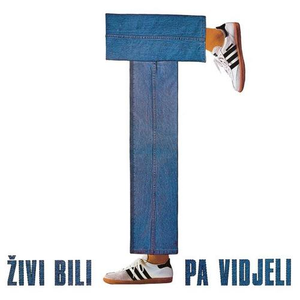
Živi bili pa vidjeli
Buldožer (trans. Bulldozer) was Yugoslav-Slovenian progressive rock band from 1970s and 1980s. They were one of the first bands in communist Yugoslavia that could be considered alternative, and forefathers of the Yugoslav New Wave. In musical sense, they were experimenting with a variety of genres, while most of their lyrics, written in Serbo-Croatian, were a satire and mocking the political and musical establishment, themselves included (Frank Zappa was admittedly one of the band's models, and was often subject to comparisons with Buldožer's style.) Buldožer was the first Yugoslavian rock band who released an album in a compact disc format—compilation album Nova vremena in 1989. Their appearance on the Yugoslav musical scene in early 1970s was equal to the appearance of flying saucers with Martians. They jumped onto the dull musical scene, which tried to keep up with the world trend of sympho-rock, full of self-confidence and fresh ideas, and offered pure humor, sometimes on the verge of lunacy, instead of prevailing pathos and overlong solo sections. In early 1975 in Ljubljana, today Slovenia, when singer/songwriter Marko Brecelj joined the band Sedem svetlobnih let (Seven Light Years) led by guitarist and lead vocalist Boris Bele. The original line-up included keyboardist/composer Borut Činč, bass guitarist Andrej Veble, lead guitarist Uroš Lovšin and drummer Stefan Jež . The band received a huge success on their first appearance at the BOOM festival, and were offered a record contract by Jugoton, whom they rejected in favor of PGP RTB, reckoning that they will be better accepted on the Serbian market. Although the first album, Pljuni istini u oči (Spit the Truth into Eyes), featuring hits like Život to je feferon, Ljubav na prvi krevet and Blues gnjus was quickly sold, the company rejected issuing new volume, as the record was marked by higher instances as inappropriate and controversial. They were also ignored by the media, but they successfully built the image of freaks on numerous gigs. Although they introduced themselves as typical folk-pop ensemble from Slovenia, Marko Brecelj, one of band's frontmen, was often making unpredictable excesses like appearing on stage in a wheelchair, burning his hair and beard, and holding long tirades loaded with cynism and irony. Despite everything, he received the award Seven Secretaries of SKOJ in 1976 for his solo-album Cocktail. Such a thorn in the eye to the establishment could not pass lightly though, and some lyrics were censored during recording of the second album. Among other things, they were asked to change the word nirvana into kafana. The record Zabranjeno plakatirati (No placateering) was on ice for a year, until Helidon from Ljubljana hopped in and issued it. The songs Ne brini mama, Helga and Dobro jutro madam Jovanović. By a mysterious chain of events, the band also received the Golden Arena award on the Pula Film Festival for the soundtrack for film Živi bili pa videli in 1979. In the meantime, the rhythm section changed, so the bassist Vili Bertok and drummer Tone Dimnik participated in studio sessions. The same year, Brecelj left the band wishing to make a solo-career, and Bele took over the frontmanship. He proved he should not be taken lightly, and continued the Brecelj's style of excesses and provocation. The double live album Ako ste slobodni večeras (If You're Available Tonight) featured the kidding of all kinds. Intermezzos between songs were filled by made-up interviews of Dražen Vrdoljak with the public on the topics of Buldožer's favorite themes—sex, drugs and Goran Bregović. The album contained covers of Roll Over Beethoven, renamed to Ko jebe Buldožer (Fuck the Buldožer), and verses from Pink Floyd's Another Brick in the Wall were sung to the melody of Oj, svijetla majska zoro. Arguably the greatest excess on the record, though, was Bele's longish obituary to Džoni Štulić, who supposedly burned himself as sign of protest for the Poland crisis. Bele took over the position of chief music editor of Helidon label and managed to purchase the copyrights of their debut from PGP RTB, so the reissue came up in 1981. The band's activity slowly diminished in mid-1980s, after the album Nevino srce. They never officially broke up though, and their comeback album Noć was released more than 10 years later, in 1995. Regathering of the band for an Ex-Yugoslavian tour is announced for the second half of 2006. Discography: Pljuni istini u oči (Spit the Truth into Eyes), PGP RTB, (1975) Zabranjeno plakatirati (No placateering), Helidon, (1977) Živi bili pa vidjeli (soundtrack), Helidon, (1979) Izlog jeftinih slatkiša (Shop Window of Cheap Sweets), Helidon, (1980) Rok end roul-Olstars bend (Rock and Roll All Stars Band), EP, Helidon (1981) Ako ste slobodni večeras (If You're Available Tonight) live, Helidon (1982) Nevino srce (Innocent Heart) Helidon (1983) Nova vremena (New Times) Helidon (compilation, 1989) Noć (Night) Helidon (1995) Read more on Last.fm. User-contributed text is available under the Creative Commons By-SA License; additional terms may apply.
Buldožer (trans. Bulldozer) was Yugoslav-Slovenian progressive rock band from 1970s and 1980s. They were one of the first bands in communist Yugoslavia that could be considered alternative, and forefathers of the Yugoslav New Wave. In musical sense, they were experimenting with a variety of genres, while most of their lyrics, written in Serbo-Croatian, were a satire and mocking the political and musical establishment, themselves included (Frank Zappa was admittedly one of the band's models, and was often subject to comparisons with Buldožer's style.) Buldožer was the first Yugoslavian rock band who released an album in a compact disc format—compilation album Nova vremena in 1989. Their appearance on the Yugoslav musical scene in early 1970s was equal to the appearance of flying saucers with Martians. They jumped onto the dull musical scene, which tried to keep up with the world trend of sympho-rock, full of self-confidence and fresh ideas, and offered pure humor, sometimes on the verge of lunacy, instead of prevailing pathos and overlong solo sections. In early 1975 in Ljubljana, today Slovenia, when singer/songwriter Marko Brecelj joined the band Sedem svetlobnih let (Seven Light Years) led by guitarist and lead vocalist Boris Bele. The original line-up included keyboardist/composer Borut Činč, bass guitarist Andrej Veble, lead guitarist Uroš Lovšin and drummer Stefan Jež . The band received a huge success on their first appearance at the BOOM festival, and were offered a record contract by Jugoton, whom they rejected in favor of PGP RTB, reckoning that they will be better accepted on the Serbian market. Although the first album, Pljuni istini u oči (Spit the Truth into Eyes), featuring hits like Život to je feferon, Ljubav na prvi krevet and Blues gnjus was quickly sold, the company rejected issuing new volume, as the record was marked by higher instances as inappropriate and controversial. They were also ignored by the media, but they successfully built the image of freaks on numerous gigs. Although they introduced themselves as typical folk-pop ensemble from Slovenia, Marko Brecelj, one of band's frontmen, was often making unpredictable excesses like appearing on stage in a wheelchair, burning his hair and beard, and holding long tirades loaded with cynism and irony. Despite everything, he received the award Seven Secretaries of SKOJ in 1976 for his solo-album Cocktail. Such a thorn in the eye to the establishment could not pass lightly though, and some lyrics were censored during recording of the second album. Among other things, they were asked to change the word nirvana into kafana. The record Zabranjeno plakatirati (No placateering) was on ice for a year, until Helidon from Ljubljana hopped in and issued it. The songs Ne brini mama, Helga and Dobro jutro madam Jovanović. By a mysterious chain of events, the band also received the Golden Arena award on the Pula Film Festival for the soundtrack for film Živi bili pa videli in 1979. In the meantime, the rhythm section changed, so the bassist Vili Bertok and drummer Tone Dimnik participated in studio sessions. The same year, Brecelj left the band wishing to make a solo-career, and Bele took over the frontmanship. He proved he should not be taken lightly, and continued the Brecelj's style of excesses and provocation. The double live album Ako ste slobodni večeras (If You're Available Tonight) featured the kidding of all kinds. Intermezzos between songs were filled by made-up interviews of Dražen Vrdoljak with the public on the topics of Buldožer's favorite themes—sex, drugs and Goran Bregović. The album contained covers of Roll Over Beethoven, renamed to Ko jebe Buldožer (Fuck the Buldožer), and verses from Pink Floyd's Another Brick in the Wall were sung to the melody of Oj, svijetla majska zoro. Arguably the greatest excess on the record, though, was Bele's longish obituary to Džoni Štulić, who supposedly burned himself as sign of protest for the Poland crisis. Bele took over the position of chief music editor of Helidon label and managed to purchase the copyrights of their debut from PGP RTB, so the reissue came up in 1981. The band's activity slowly diminished in mid-1980s, after the album Nevino srce. They never officially broke up though, and their comeback album Noć was released more than 10 years later, in 1995. Regathering of the band for an Ex-Yugoslavian tour is announced for the second half of 2006. Discography: Pljuni istini u oči (Spit the Truth into Eyes), PGP RTB, (1975) Zabranjeno plakatirati (No placateering), Helidon, (1977) Živi bili pa vidjeli (soundtrack), Helidon, (1979) Izlog jeftinih slatkiša (Shop Window of Cheap Sweets), Helidon, (1980) Rok end roul-Olstars bend (Rock and Roll All Stars Band), EP, Helidon (1981) Ako ste slobodni večeras (If You're Available Tonight) live, Helidon (1982) Nevino srce (Innocent Heart) Helidon (1983) Nova vremena (New Times) Helidon (compilation, 1989) Noć (Night) Helidon (1995) Read more on Last.fm. User-contributed text is available under the Creative Commons By-SA License; additional terms may apply.
Novo Vrijeme
Žene i muškarci
Život, to je feferon
Najpogodnije Mjesto
Blues gnjus
Yes My Baby, No
Ljubav na prvi krevet
Helga
Smrt Morisona Džima
Doktore pomozite
Ne brini, mama
Boogie Za Prijatelja
Slovinjak Punk
Slovenija
Dobro jutro madam Jovanović
Karlo
Jeftini Slatkiši
Okrutni Bogovi Istoka
Hvala Ti Za Krv
Higijena
Odmah kaži da
Jeste li vidjeli djevojčice
Što To Radiš, Buldožeru Jedan?!
Mrtvaci
Volio sam enu Slovenku
Ja imam ritam
Mlad i vječan
Nevino srce
Plesne cipele
Svaki čovjek ima svoj blues
Za Uvod
Sava
Stari druže
Proljeće
Poljubac I Motori
Vojno Lice
Krevet na bis
Prljavi muškarci
Šesnaest godina
Zivot, To Je Feferon
Šta to radiš, buldožeru jedan?!
Voli me - ne voli me
Blues Napuštenog Psa
IN MEMORIAM
I remember chuck berry
U ime naroda
Nirvana
Ko Jebe Buldožer
Ovaj krevet je sada vaš
Hey Joe