label_stop_radio

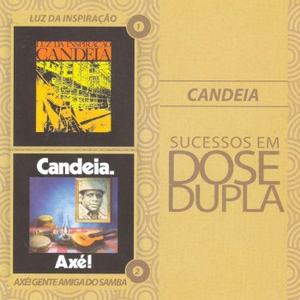
Dose Dupla Candeia
Blending a rich talent as samba composer with a passion for the Negro cause, Candeia had great success with his sambas, with which the prominent samba school Portela (co-founded by him) had several important victories. His compositions were also recorded by many great artists like Clementina de Jesus, Clara Nunes, Paulinho da Viola, and others. Because of his respect for the samba culture, he denounced the loss of traditions and left Portela in 1975, founding the Grêmio Recreativo de Arte Negra Escola de Samba Quilombo, which had clear statutes regarding Negro ideals. He recorded seven LPs as an interpreter, including the posthumously released Axé, one of the most important albums of the samba genre. Son of a typographer, sambista, and flutist who always promoted partido-alto and choro get-togethers and also was the creator of the Comissões de Frente (group of the representatives of the samba school directory who parade during Carnival), Candeia was in the center of the samba action since he was very young. It was natural that he soon became friends with Zé com Fome (Zé da Zilda), Luperce Miranda, Claudionor Cruz and other renowned musicians and sambistas. As a member of the samba school Vai Como Pode, he was one of the founders of the G.R.E.S. Portela, the Portela samba school. In 1953 he wrote the first samba-enredo for the new school, Seis Datas Magnas, with Altair Prego. In that Carnival, for the first time ever, a samba school (Portela) had the maximum grade in every criterion. Festas Juninas Em Fevereiro (Candeia/Valdir 59) gave Portela the third place in 1955 and Legados de D. João VI (same authors) received the first place in 1957. He was the director of the group Mensageiros do Samba in the '60s, which recorded an LP. In 1961, he joined the police, soon achieving the reputation of being fierce and truculent. Annoyed by a car accident, he came out shooting and received a bullet in his spine which rendered him paraplegic for the rest of his life. In the long period of depression he faced thereafter, Candeia remained secluded and his compositional style changed sensibly. By and by, though, friends like Bibi Ferreira and Martinho da Vila brought him to the samba scene again. His samba Minhas Madrugadas, written with Paulinho da Viola, was recorded by the latter in 1966. In 1970, he recorded an LP as an interpreter. In the same year, the group Nosso Samba recorded his Dia de Graça, a song in which he reported his saga and Clementina de Jesus recorded three of his songs. In 1971, Paulinho da Viola recorded Filosofia Do Samba and Clara Nunes recorded Anjo Moreno and Sariorerê. The denounce of the loss of tradition in samba was expressed in the book Escola de Samba, Árvore Que Perdeu A Raiz (with Isnard). His life was depicted in the biography Candeia: Luz Da Inspiração, by João Batista M. Vargens, Martins Fontes/Funarte, Rio de Janeiro, 1987. Read more on Last.fm. User-contributed text is available under the Creative Commons By-SA License; additional terms may apply.
Blending a rich talent as samba composer with a passion for the Negro cause, Candeia had great success with his sambas, with which the prominent samba school Portela (co-founded by him) had several important victories. His compositions were also recorded by many great artists like Clementina de Jesus, Clara Nunes, Paulinho da Viola, and others. Because of his respect for the samba culture, he denounced the loss of traditions and left Portela in 1975, founding the Grêmio Recreativo de Arte Negra Escola de Samba Quilombo, which had clear statutes regarding Negro ideals. He recorded seven LPs as an interpreter, including the posthumously released Axé, one of the most important albums of the samba genre. Son of a typographer, sambista, and flutist who always promoted partido-alto and choro get-togethers and also was the creator of the Comissões de Frente (group of the representatives of the samba school directory who parade during Carnival), Candeia was in the center of the samba action since he was very young. It was natural that he soon became friends with Zé com Fome (Zé da Zilda), Luperce Miranda, Claudionor Cruz and other renowned musicians and sambistas. As a member of the samba school Vai Como Pode, he was one of the founders of the G.R.E.S. Portela, the Portela samba school. In 1953 he wrote the first samba-enredo for the new school, Seis Datas Magnas, with Altair Prego. In that Carnival, for the first time ever, a samba school (Portela) had the maximum grade in every criterion. Festas Juninas Em Fevereiro (Candeia/Valdir 59) gave Portela the third place in 1955 and Legados de D. João VI (same authors) received the first place in 1957. He was the director of the group Mensageiros do Samba in the '60s, which recorded an LP. In 1961, he joined the police, soon achieving the reputation of being fierce and truculent. Annoyed by a car accident, he came out shooting and received a bullet in his spine which rendered him paraplegic for the rest of his life. In the long period of depression he faced thereafter, Candeia remained secluded and his compositional style changed sensibly. By and by, though, friends like Bibi Ferreira and Martinho da Vila brought him to the samba scene again. His samba Minhas Madrugadas, written with Paulinho da Viola, was recorded by the latter in 1966. In 1970, he recorded an LP as an interpreter. In the same year, the group Nosso Samba recorded his Dia de Graça, a song in which he reported his saga and Clementina de Jesus recorded three of his songs. In 1971, Paulinho da Viola recorded Filosofia Do Samba and Clara Nunes recorded Anjo Moreno and Sariorerê. The denounce of the loss of tradition in samba was expressed in the book Escola de Samba, Árvore Que Perdeu A Raiz (with Isnard). His life was depicted in the biography Candeia: Luz Da Inspiração, by João Batista M. Vargens, Martins Fontes/Funarte, Rio de Janeiro, 1987. Read more on Last.fm. User-contributed text is available under the Creative Commons By-SA License; additional terms may apply.
Agepê
Alcione
Bebeto
Bungalove
Expressão Do Teu Olhar
Sou Mais O Samba
Saudacao a Toco Preto
Pintura Sem Arte
Dia De Graça
Vem Menina Moça
Vivo Isolado Do Mundo / Amor Não É Brinquedo
Cabocla Jurema
Olha o samba sinhá (Samba de roda)
Samba Da Antiga
De Qualquer Maneira
Luz Da Inspiração
Já Curei Minha Dor
Maria Madalena Da Portela
Ouro Desça Do Seu Trono / Mil Réis
Me Alucina
Gamação / Peixeiro Granfino / Ouço Uma Voz / Vem Amenizar
Nova Escola
Filosofia Do Samba
Zé Tambozeiro (Tambor de Angola)
A Volta
Era quase madrugada
Saudação a toco preto
Sorriso Antigo
Pelo Nosso Amor
Brinde ao Cansaço
Viver
Coisas Banais
Prece Ao Sol
Minhas Madrugadas
Conselhos de Vadio
O Pagode
Saudaçãp a Toco Preto
Camafeu
Saudade
A Hora E A Vez Do Samba
Paixão Segundo Eu
Riquezas Do Brasil
Regresso
Vai Pro Lado De Lá
Ilusão Perdida
Outro Recado
Chorei, Chorei
Quarto Escuro
Acalentava
Falso Poder
Saudaçao A Toco Preto
Olha O Samba Sinhá ( Samba De Roda )
O Invocado / Beberrão
Silêncio, Tamborim