label_stop_radio

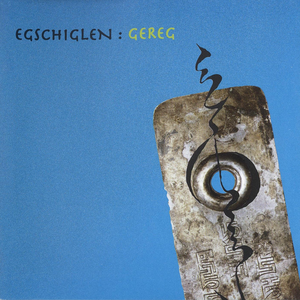
Gereg
Egschiglen (Beautiful melody) was founded in 1991 by master students of the conservatory of Ulan Bator, Mongolia. Four founding members are still the heart of the group today. From the very beginning, the musicians focus on contemporary music of Mongolia and search systematically for the sound dimensions of this repertory with their traditional instruments and Central Asian vocal techniques. The music of a country is formed by its landscape and the way of life of its people. Mongolia, in the heart of Asia, is a vast country, roughly five times the size of Germany. Endless grasslands in the south envelope into the barren beauty of the Gobi desert. From the snow-covered Altai and Changaj mountains clear rivers run through forests and flatlands. A large part of the more than 2 million Mongolians still live as nomads to this very day, in harmony and rhythm with nature, and together with their five jewels: horses, camels, cattle, sheep and goats. The music of the Mongolians breathes the freedom and power of the simple way of life close to the nature. Tume (Tumenbayar Migdorj) and Tumro (Tumursaihan Yanlav) sing and play the horse-head violin, morin khuur, a string instrument with two strings made of horse hair, played like a cello. Ugan (Uuganbaatar Tsend-Ochir) bows and plucks the mogolian bass, ih huur. The solo vocalist Amra (Amartuwshin Baasandorj) sings in khomii style and accompanies himself on the swan throat lute tobshuur. Khomii is a special throat singing in which the overtones are modulated while singing the base melody. Sara (Sarangel Tserevsamba) is an expert at the dulcimer, joochin and the female voice of the band. Boogi (Wandansenge Batbold) is her virtuoso equal on Asian percussion and 2nd solo singer. The music of Egschiglen impresses by virtue of its variety and gracefulness. They interpret both traditional songs and the work of contemporary Mongolian composers with their fine-tuned arrangements. Their pieces often have chamber-music quality and transparency - and then again the original enchanting power of folk traditions. You can almost hear the sound of the hoofs by the small and tough Mongolian horses - Genghis Khan founded the world's greatest empire of all times on their backs. And then again the music takes us to the clear silence of the Gobi desert, where only the wind sings in the dunes. On one hand Mongolian sounds seems strange and mysterious to Western ears. Especially the khoomii chants leave you speechless. Can you believe that one voice can produce such low and high sounds at the same time? (Yes, it is possible!) On the other hand the music sounds familiar, by expressing basic human feelings: love, sorrow and thankfulness. The musicians of Egschiglen take us to the fascinating culture of their far-away home, at the same time showing us that beyond all cultural differences there is a common element of human existence. Read more on Last.fm. User-contributed text is available under the Creative Commons By-SA License; additional terms may apply.
Egschiglen (Beautiful melody) was founded in 1991 by master students of the conservatory of Ulan Bator, Mongolia. Four founding members are still the heart of the group today. From the very beginning, the musicians focus on contemporary music of Mongolia and search systematically for the sound dimensions of this repertory with their traditional instruments and Central Asian vocal techniques. The music of a country is formed by its landscape and the way of life of its people. Mongolia, in the heart of Asia, is a vast country, roughly five times the size of Germany. Endless grasslands in the south envelope into the barren beauty of the Gobi desert. From the snow-covered Altai and Changaj mountains clear rivers run through forests and flatlands. A large part of the more than 2 million Mongolians still live as nomads to this very day, in harmony and rhythm with nature, and together with their five jewels: horses, camels, cattle, sheep and goats. The music of the Mongolians breathes the freedom and power of the simple way of life close to the nature. Tume (Tumenbayar Migdorj) and Tumro (Tumursaihan Yanlav) sing and play the horse-head violin, morin khuur, a string instrument with two strings made of horse hair, played like a cello. Ugan (Uuganbaatar Tsend-Ochir) bows and plucks the mogolian bass, ih huur. The solo vocalist Amra (Amartuwshin Baasandorj) sings in khomii style and accompanies himself on the swan throat lute tobshuur. Khomii is a special throat singing in which the overtones are modulated while singing the base melody. Sara (Sarangel Tserevsamba) is an expert at the dulcimer, joochin and the female voice of the band. Boogi (Wandansenge Batbold) is her virtuoso equal on Asian percussion and 2nd solo singer. The music of Egschiglen impresses by virtue of its variety and gracefulness. They interpret both traditional songs and the work of contemporary Mongolian composers with their fine-tuned arrangements. Their pieces often have chamber-music quality and transparency - and then again the original enchanting power of folk traditions. You can almost hear the sound of the hoofs by the small and tough Mongolian horses - Genghis Khan founded the world's greatest empire of all times on their backs. And then again the music takes us to the clear silence of the Gobi desert, where only the wind sings in the dunes. On one hand Mongolian sounds seems strange and mysterious to Western ears. Especially the khoomii chants leave you speechless. Can you believe that one voice can produce such low and high sounds at the same time? (Yes, it is possible!) On the other hand the music sounds familiar, by expressing basic human feelings: love, sorrow and thankfulness. The musicians of Egschiglen take us to the fascinating culture of their far-away home, at the same time showing us that beyond all cultural differences there is a common element of human existence. Read more on Last.fm. User-contributed text is available under the Creative Commons By-SA License; additional terms may apply.
Alash
Ayarkhaan
Chirgilchin
Sedaa
Talin Salhi
Manduhai
Herlengiin Barya
Goviin Magtaal
Hartai Sarlag
5 hasag (5 Kazakhs)
Uils Dundaa Sain
Yamaanii Boodog
Haramgui
Setgeliin Egshig
Han Huhiin Uuland
Hunnu
Elstiin Ganga
Yan Tai Wan Göögöö
Builgan Shar
Moriin Khuur Konzert
Ayaz (Improvisation)
Huhu Namyil (Cuckoo Namdshil)
Erdene Uul
Nutgiin Zamd
Chingis Haani Magtaal
Chandmani Nutag (Dedication To The Chandmani Region)
Aisui Hulgiin Tuvurguun
Duuren Zaan
Jaran Zagaan Aduu
Huurhun Haliun
Meeneg
Manduul Khan
Shigshergiin ai
Zezegtei Harmai
Tatlaga
Buyan Hishig Daa lam
Hamaanii Boodog
Chamaigaa Gelgui Yahav
Setgeld Shingesen Govi
Bajasgalant Saalchin
Aravgar Herin Salhind
Khoomin Uran Setgemj
Ardin Hoyr Duu
Udelt
Hartai Sarlang
Tanz Melody (Dance Melody)
Eruu cagaan bolimor (White-Breasted Sparrow)
Uglee shaazgai (Colourful magpie)
Horgoi Torgon Deel (The Silk Coat)
Jatagin Koncert
Uran Has Baletin Adagio
Temujin (Folk Legend)
Altai Khangain Magtaal
Naadmin Ugluu (The Naadam Festival)