label_stop_radio

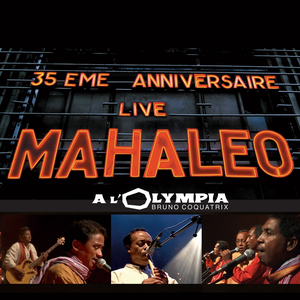
Live A L'Olympia
Mahaleo is a folk-pop band from Madagascar that is widely viewed as the most popular Malagasy group of all time. Their music is considered emblematic of Malagasy identity. The band was founded by Dama (Rasolofondraosolo Zafimahaleo) with six of his classmates after first performing together during the rotaka student protests at their high school on 13 May 1972. Mahaleo's lyrics draw upon the indirect language of traditional hainteny and ohabolana (Malagasy poetry and proverbs) to expose contemporary political and social issues and invite listeners to identify their own solutions. Mahaleo performs a genre they pioneered, called tsentsigat, that draws from the acoustic folk and protest song genres as well as the diverse musical traditions of Madagascar. Each of the band members sings, and all but one also play acoustic guitar. In addition, the band makes use of traditional instruments like the kabosy guitar and sodina flute. Mahaleo formed spontaneously at the rotaka protests, which expressed popular rejection of the policies and repression of president Philibert Tsiranana's neo-colonial administration. On the first day of the protests in Antsirabe, Dama and Raoul performed a song they called Matoa 'Zahay Manao Girevy (Why We're on Strike) which Dama had composed shortly before. As they entertained protesters at their high school, they were joined by the other members of the group to compose and perform new songs with diverse themes ranging from politics to love. In the protests' spirit of embracing the Malagasy identity, Dadah was the first group member to write song lyrics in Malagasy, a language that had been rejected as old-fashioned under the French; and other members soon followed his example. When a television reporter covering the students' strike in Antsirabe asked the boys to share the name of their group, they did not yet consider themselves a musical act and had not chosen a name. One of them spontaneously replied Mahaleo. The name is most commonly translated as meaning free or independent, but with nuance more precisely meaning to have enough power to win/resist/endure/accomplish. In addition to being part of Dama's family name (Zafimahaleo), the word Mahaleo appealed to the group as the embodiment of their purpose to empower the disenfranchised masses and exalt Malagasy values and culture in the post-colonial era. Together they created and performed songs that affirmed the Malagasy identity and gave voice to the concerns of the rural communities and youth. While the band is acclaimed for its large catalog of hits, with over 300 songs composed since 1972, its members are also admired for their commitment to live the message of solidarity for national development that features in most of their music. Each band member has gone on to cultivate a primary career in addition to his participation in Mahaleo in areas ranging from medical care and sociology to farming and politics. Read more on Last.fm. User-contributed text is available under the Creative Commons By-SA License; additional terms may apply.
Mahaleo is a folk-pop band from Madagascar that is widely viewed as the most popular Malagasy group of all time. Their music is considered emblematic of Malagasy identity. The band was founded by Dama (Rasolofondraosolo Zafimahaleo) with six of his classmates after first performing together during the rotaka student protests at their high school on 13 May 1972. Mahaleo's lyrics draw upon the indirect language of traditional hainteny and ohabolana (Malagasy poetry and proverbs) to expose contemporary political and social issues and invite listeners to identify their own solutions. Mahaleo performs a genre they pioneered, called tsentsigat, that draws from the acoustic folk and protest song genres as well as the diverse musical traditions of Madagascar. Each of the band members sings, and all but one also play acoustic guitar. In addition, the band makes use of traditional instruments like the kabosy guitar and sodina flute. Mahaleo formed spontaneously at the rotaka protests, which expressed popular rejection of the policies and repression of president Philibert Tsiranana's neo-colonial administration. On the first day of the protests in Antsirabe, Dama and Raoul performed a song they called Matoa 'Zahay Manao Girevy (Why We're on Strike) which Dama had composed shortly before. As they entertained protesters at their high school, they were joined by the other members of the group to compose and perform new songs with diverse themes ranging from politics to love. In the protests' spirit of embracing the Malagasy identity, Dadah was the first group member to write song lyrics in Malagasy, a language that had been rejected as old-fashioned under the French; and other members soon followed his example. When a television reporter covering the students' strike in Antsirabe asked the boys to share the name of their group, they did not yet consider themselves a musical act and had not chosen a name. One of them spontaneously replied Mahaleo. The name is most commonly translated as meaning free or independent, but with nuance more precisely meaning to have enough power to win/resist/endure/accomplish. In addition to being part of Dama's family name (Zafimahaleo), the word Mahaleo appealed to the group as the embodiment of their purpose to empower the disenfranchised masses and exalt Malagasy values and culture in the post-colonial era. Together they created and performed songs that affirmed the Malagasy identity and gave voice to the concerns of the rural communities and youth. While the band is acclaimed for its large catalog of hits, with over 300 songs composed since 1972, its members are also admired for their commitment to live the message of solidarity for national development that features in most of their music. Each band member has gone on to cultivate a primary career in addition to his participation in Mahaleo in areas ranging from medical care and sociology to farming and politics. Read more on Last.fm. User-contributed text is available under the Creative Commons By-SA License; additional terms may apply.
Hazolahy
Njava
Rajery
Rakotozafy
Izahay Mpamita
Rafahafahana
Kobaka
Adin-Tsaina
Tadidiko Ry Zalahy
Isekely
Somambisamby
Lendrema
Ilay Nosy
Raha Mila Fanampiana
Veloma ry fahazazana
Madirovalo
Hay hay
Karaborosy
Rivotra
Mimoza - Live
Bon Voyage
Ny Lasantsika
Raha Noana Ny Kibo
Meloka
Efa Ela
Ravorondreo
Zanako Vavy
Ramiaramila
Dihy
Bemolanga
Embona
Hanaraka Anao
Voasary
Alina Mangina
Vololona
rehefa maty aho
Salanitra
Ianao - Live
Embona sy hanina - Live
Raha mila fanampiana - Live
Tontolo Iainana
Andro Ririnina
Tadidiko
Fitia Vao Mitsiry
Paiso ra-kena
Volasoa
Voankazo Voarara
Iantrao
Kurde
Ianao
Mozambika
Tongava re
Nenina
Gasikara Vita Baorina