label_stop_radio

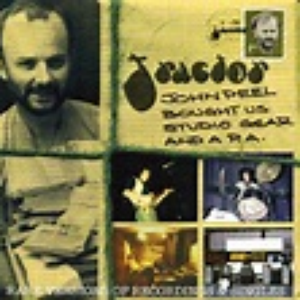
John Peel bought us studio gear and a P.A.
Tractor have become renowned for their studio work and also for their involvement in the 70's Free Festival Movement They have been championed by John Peel, Stuart Maconie and Julian Cope.Tractor is a band founded by guitarist/basdist/vocalist Jim Milne and drummer/bassist/keyboards Steve Clayton in Rochdale, England, in 1966 when the two were members of a beat group called The Way We Live. By 1970, the quartet -- which also featured bassist Michael Slim Batsch and lead vocalist Alan Burgess who would later engineer in studios for the band -- were down to just Milne and Clayton. They were soon signed to John Peel's Dandelion Records. The group was booked into London's Spot Studios [ where Cream had recorded] and finished its first album sessions in two days' time. In January 1971, Dandelion released The Way We Live's debut, A Candle for Judith, named after Clayton's then girlfriend, now wife. The album earned critical praise[citation needed] if little in the way of sales. John Peel, who had links with Rochdale having worked there in the late fifties and early sixties, bought the band recording equipment and a stereo PA system. Peel also soon convinced the duo to change their name. Looking out of his kitchen window, he spied a tractor near his farmhouse property and recommended it to them. Tractor's first release was an EP -- Stoney Glory/Marie/As You Say -- for Dandelion. They also backed up another Dandelion act called Beau -- led by C.J.T. Beau Midgley -- on the album Creation. All of this recording was done in an attic and bedroom studio in Rochdale, which John Peel called Dandelion Studios to tie in with his record label Dandelion Records. The duo's first full-length follow-up was released in 1972. By January 1973, the album was earning positive reviews.[citation needed] Longtime sound engineer John Brierley was eventually replaced by former The Way We Live singer Alan Burgess and, along with Milne, Clayton, and new production manager Chris Hewitt, the group began building a studio in Heywood, Lancashire, named Tractor Sound Studios, again partially financed by John Peel. Tractor eventually left the Dandelion label, who no longer had distribution, and recorded a single, the reggae-tinged Roll the Dice, on Jonathan King's label, UK Records. In the summer of 1976, Milne and Clayton recruited bassist Dave Addison and teamed up again with John Brierley, now the owner of Cargo Recording Studios. They recorded another single -- No More Rock 'n' Roll/Northern City -- which was issued on Cargo and made the newly invented Indie singles chart It was released to coincide with the 1977 Deeply Vale Festival, a legendary north west England music festival of the 1970's. In 1980, Milne, Clayton, and Addison re-grouped once again, this time adding blind musician Tony Crabtree on keyboards/guitar. They recorded another single -- Average Man's Hero/Big Big Boy -- this one for Roach Records, which was a label run by the band themselves. The band issued CDs on numerous labels from 1991 before starting their own cd label in 1996, Ozit Morpheus Records, which has now secured the rights to and has reissued their entire catalogue. Tractor began performing live again in 2001 and have become a regular festival band playing both Glastonbury and Canterbury festivals- websites www.tractor-ozit.com www.tractortheband.com Read more on Last.fm. User-contributed text is available under the Creative Commons By-SA License; additional terms may apply.
Tractor have become renowned for their studio work and also for their involvement in the 70's Free Festival Movement They have been championed by John Peel, Stuart Maconie and Julian Cope.Tractor is a band founded by guitarist/basdist/vocalist Jim Milne and drummer/bassist/keyboards Steve Clayton in Rochdale, England, in 1966 when the two were members of a beat group called The Way We Live. By 1970, the quartet -- which also featured bassist Michael Slim Batsch and lead vocalist Alan Burgess who would later engineer in studios for the band -- were down to just Milne and Clayton. They were soon signed to John Peel's Dandelion Records. The group was booked into London's Spot Studios [ where Cream had recorded] and finished its first album sessions in two days' time. In January 1971, Dandelion released The Way We Live's debut, A Candle for Judith, named after Clayton's then girlfriend, now wife. The album earned critical praise[citation needed] if little in the way of sales. John Peel, who had links with Rochdale having worked there in the late fifties and early sixties, bought the band recording equipment and a stereo PA system. Peel also soon convinced the duo to change their name. Looking out of his kitchen window, he spied a tractor near his farmhouse property and recommended it to them. Tractor's first release was an EP -- Stoney Glory/Marie/As You Say -- for Dandelion. They also backed up another Dandelion act called Beau -- led by C.J.T. Beau Midgley -- on the album Creation. All of this recording was done in an attic and bedroom studio in Rochdale, which John Peel called Dandelion Studios to tie in with his record label Dandelion Records. The duo's first full-length follow-up was released in 1972. By January 1973, the album was earning positive reviews.[citation needed] Longtime sound engineer John Brierley was eventually replaced by former The Way We Live singer Alan Burgess and, along with Milne, Clayton, and new production manager Chris Hewitt, the group began building a studio in Heywood, Lancashire, named Tractor Sound Studios, again partially financed by John Peel. Tractor eventually left the Dandelion label, who no longer had distribution, and recorded a single, the reggae-tinged Roll the Dice, on Jonathan King's label, UK Records. In the summer of 1976, Milne and Clayton recruited bassist Dave Addison and teamed up again with John Brierley, now the owner of Cargo Recording Studios. They recorded another single -- No More Rock 'n' Roll/Northern City -- which was issued on Cargo and made the newly invented Indie singles chart It was released to coincide with the 1977 Deeply Vale Festival, a legendary north west England music festival of the 1970's. In 1980, Milne, Clayton, and Addison re-grouped once again, this time adding blind musician Tony Crabtree on keyboards/guitar. They recorded another single -- Average Man's Hero/Big Big Boy -- this one for Roach Records, which was a label run by the band themselves. The band issued CDs on numerous labels from 1991 before starting their own cd label in 1996, Ozit Morpheus Records, which has now secured the rights to and has reissued their entire catalogue. Tractor began performing live again in 2001 and have become a regular festival band playing both Glastonbury and Canterbury festivals- websites www.tractor-ozit.com www.tractortheband.com Read more on Last.fm. User-contributed text is available under the Creative Commons By-SA License; additional terms may apply.
All Ends Up
Little Girl In Yellow
Everytime It Happens
King Dick II
Shubunkin
Ravenscroft's 13 Bar Boogie
Make The Journey
Angle
Hope In Favour
Watcher
Squares
The Watcher
Siderial
Willow
Storm
Watching White Stars
The Way Ahead
Madrigal
All Ends-Up
Hope In Flavour
No More Lies
As You Say
Lost on the Ocean
Lady Of Astorath
Overture
Siderial - Live At Glastonbury Festival 2002
Stoney Glory
Stony Glory
Average Man's Hero
Marie
Mr. Revolution Man - Bonus Demo Track
Vicious Circle
Make the Yourney
Everytime It Happens - Bonus Demo Track
The Storm - Bonus Demo Track
The Watcher - Bonus Demo Track
Suicidal
Argument for One
Northern City
No More Rock & Roll
Peterloo
Jester
Revolution Man
Trick of the Light
Steve's Hungarian Novel
Sideral
Scotch Boulevard
Word Games
Roll The Dice
Siderial (Live at Glastonbury Festival 2002)