label_stop_radio

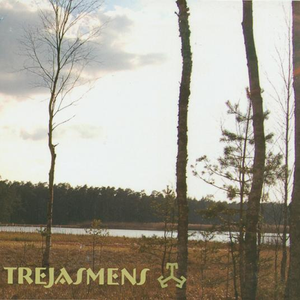
Trejasmens
Folklore and experimental archeological group Trejasmens was founded in Ropaži, Latvia on September 21, 2000. That was the anniversary of Saules Battle (The Sun Battle). The group obtained the status of a society in 2003. As the basis of our activities we can define the research and reconstruction of the armament , lifestyle and mental values of warriors from the Latvian history of the Late Iron Age. It includes the imitation of archeological clothes of the mentioned period. Each member of Trejasmens has its own set of clothes connected with the deffinite century and territory. The groups sing ancient warrior songs, although such folk songs which could be dated to the researched period are very few; therefore we sing the songs of recruits, Latvian riflemen and legionnaires as well. As the greatest part of the group members come from Ropaži vicinity which is an ancient Livonian territory, we have the Livonian songs, annual tradition songs and mythological songs in our repertory. Besides we perform ancient warrior games and dances, as well as we show ancient rituals. We have taken part in many medieval festivals in all Baltic states performing songs, games, and ancients fights, but the most important folklore events are the following: Baltica-2003 and 2006, Baltijas Saule starting from 2002, Pulka eimu, pulka teku, at the same time we have performed in many schools, clubs and on open-air stages throughout Latvia. Read more on Last.fm. User-contributed text is available under the Creative Commons By-SA License; additional terms may apply.
Folklore and experimental archeological group Trejasmens was founded in Ropaži, Latvia on September 21, 2000. That was the anniversary of Saules Battle (The Sun Battle). The group obtained the status of a society in 2003. As the basis of our activities we can define the research and reconstruction of the armament , lifestyle and mental values of warriors from the Latvian history of the Late Iron Age. It includes the imitation of archeological clothes of the mentioned period. Each member of Trejasmens has its own set of clothes connected with the deffinite century and territory. The groups sing ancient warrior songs, although such folk songs which could be dated to the researched period are very few; therefore we sing the songs of recruits, Latvian riflemen and legionnaires as well. As the greatest part of the group members come from Ropaži vicinity which is an ancient Livonian territory, we have the Livonian songs, annual tradition songs and mythological songs in our repertory. Besides we perform ancient warrior games and dances, as well as we show ancient rituals. We have taken part in many medieval festivals in all Baltic states performing songs, games, and ancients fights, but the most important folklore events are the following: Baltica-2003 and 2006, Baltijas Saule starting from 2002, Pulka eimu, pulka teku, at the same time we have performed in many schools, clubs and on open-air stages throughout Latvia. Read more on Last.fm. User-contributed text is available under the Creative Commons By-SA License; additional terms may apply.
Aisha
Aparāts
Armands
Astro'n'out
Metens sola
Es nocirtu melnu čūsku
Bāliņ bāliņ netec kājām
Sīvi Sīvi Zīle Brēca
Metens sola saltas dienas
Neguļu neguļu Jānīša nakti
Ko tā jūra agri krāca
Apkārt kalnu gāju, kalniņā uzkāpu
Ievada dziesma
Sprīdītis
Saulīt mana krustamāte
Rodenpois
Miesmeti melnaci kam nāci agri
Tur karoja karavīri
Ai saulīte mēnestiņ
Īdon(o) Izān(o) īdoks(o) Poigõ
Tul ulz, mäd ārmaz sizār
Veraties vara vārti, līdz pašam galiņam
Vilks un kaza
Es karā aiziedams, līgavai roku devu
Kas kaitēja nedienēti
Lõla, Izā, Lõla, Pūoga
Kara Mārtiš
Mana mīļā skaista ir
Lien pelīte pazemē
Divi Dienas Mežā Gāju
Kas Redzēja Auseklīti
Ogļdeģi
Līdaciņa
Lai aug puri, lai aug meži
Vēlā Vakarā Kangaros
Juglas Bērni
Bāliņ, bāliņ
Ropalniekam Trīs Dēliņi
Ņem, Jānīti, sirmu zirgu, līgo, līgo
Kūpošie Uzkalniņi
Lielā Jugla – Pavasara Ceļš
Pērkona tēvam deviņi dēli
Rūdpurs
Kad Ar Uzvaru
Gadījumi Mācītājmuižā
Pusrītiņu saule lēca, līgo, līgo
Skolas Diena
Vilkač Janka
Mazās Juglas Kaujas
Vīzdegune
Kam tie mieži līdumā
Pati māte
Īdōn(o) izān(o) īdoks(o) poigō
Pērkona Tēvam