label_stop_radio

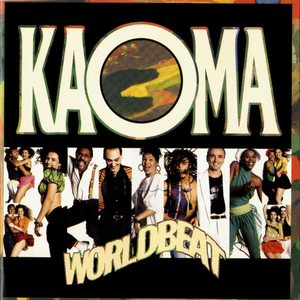
World Beat
Kaoma is a French-Brazilian pop group made up of former members of the band Touré Kunda: Chyco Dru (bassist), Jacky Arconte (guitarist), Jean-Claude Bonaventure (producer and keyboardist), Michel Abihssira (drums and percussion), Fania (vocals), and Loalwa Braz (lead singer), Chico and Roberta (dancers). Chyco Dru is from Martinique, Jacky Arconte from Guadeloupe, and Loalwa Braz from Brazil. They are best known for their 1989 hit single, Lambada, a direct cover of Brazilian singer-songwriter Márcia Ferreira's 1986 dance hit Chorando se foi, which itself was a legally authorized Portuguese-translated rendition of the original 1981 slow ballad, Llorando se fue by the Bolivian group Los Kjarkas. Given Kaoma's clear act of plagiarism and release of their single without Los Kjarkas' permission, Los Kjarkas successfully sued. Dançando Lambada and Mélodie d'amour were the next two singles and were also hit singles, although they failed to earn the same success as Lambada. Lambada peaked at number 46 on the U.S. Billboard Hot 100. It reached number 4 in the UK Singles Chart. The same year, the band released its first album Worldbeat which achieved worldwide success,becoming,along with Beto Barbosa, one of the legends of Brazilian lambada. At the 1990 Lo Nuestro Awards, Kaoma won two awards for Pop Group of the Year and New Pop Artist of the Year. In 1991, Kaoma released the album Tribal-Pursuit which provided the singles Danca Tago-Mago and Moço do dende. The band disbanded in 1998 but reformed again in 2006. Loalwa Braz (3 June 1953 – 19 January 2017) Lambada is a dance from Pará, Brazil, of African origin. The dance became internationally popular in the 1980s, especially in Latin America and Caribbean countries. It has adopted aspects of dances such as forró, salsa, merengue, maxixe and the carimbó. Lambada is generally a partner dance. The dancers generally dance with arched legs, with the steps being from side to side, turning or even swaying, and in its original form never front to back, with a pronounced movement of the hips. At the time when the dance became popular, short skirts for women were in fashion and men wore long trousers, and the dance has become associated with such clothing, especially for women wearing short skirts that swirl up when the woman spins around, typically revealing 90s-style thong underwear. Read more on Last.fm. User-contributed text is available under the Creative Commons By-SA License; additional terms may apply.
Kaoma is a French-Brazilian pop group made up of former members of the band Touré Kunda: Chyco Dru (bassist), Jacky Arconte (guitarist), Jean-Claude Bonaventure (producer and keyboardist), Michel Abihssira (drums and percussion), Fania (vocals), and Loalwa Braz (lead singer), Chico and Roberta (dancers). Chyco Dru is from Martinique, Jacky Arconte from Guadeloupe, and Loalwa Braz from Brazil. They are best known for their 1989 hit single, Lambada, a direct cover of Brazilian singer-songwriter Márcia Ferreira's 1986 dance hit Chorando se foi, which itself was a legally authorized Portuguese-translated rendition of the original 1981 slow ballad, Llorando se fue by the Bolivian group Los Kjarkas. Given Kaoma's clear act of plagiarism and release of their single without Los Kjarkas' permission, Los Kjarkas successfully sued. Dançando Lambada and Mélodie d'amour were the next two singles and were also hit singles, although they failed to earn the same success as Lambada. Lambada peaked at number 46 on the U.S. Billboard Hot 100. It reached number 4 in the UK Singles Chart. The same year, the band released its first album Worldbeat which achieved worldwide success,becoming,along with Beto Barbosa, one of the legends of Brazilian lambada. At the 1990 Lo Nuestro Awards, Kaoma won two awards for Pop Group of the Year and New Pop Artist of the Year. In 1991, Kaoma released the album Tribal-Pursuit which provided the singles Danca Tago-Mago and Moço do dende. The band disbanded in 1998 but reformed again in 2006. Loalwa Braz (3 June 1953 – 19 January 2017) Lambada is a dance from Pará, Brazil, of African origin. The dance became internationally popular in the 1980s, especially in Latin America and Caribbean countries. It has adopted aspects of dances such as forró, salsa, merengue, maxixe and the carimbó. Lambada is generally a partner dance. The dancers generally dance with arched legs, with the steps being from side to side, turning or even swaying, and in its original form never front to back, with a pronounced movement of the hips. At the time when the dance became popular, short skirts for women were in fashion and men wore long trousers, and the dance has become associated with such clothing, especially for women wearing short skirts that swirl up when the woman spins around, typically revealing 90s-style thong underwear. Read more on Last.fm. User-contributed text is available under the Creative Commons By-SA License; additional terms may apply.
0081
1Psion
2ToneDisco
89ers
Lambada - Original Version 1989
Lambada
Lambada - Original Radio Edit
Dançando Lambada - Original Version 1989
Chorando Se Foi
Dançando Lambada
Dancando Lambada
Lambamor
Lambada - Single Version
Chacha La Vie
Mélodie d'amour
Banto
Dança Tago Mago
Lamba Caribe
La Lambada
Lambada (Original Version 1989)
Lambada - 7-inch Dance Version
Lambada - Version 1989
Salsa Nuestra
Lambada - Instrumental Version
Lambada (Original Radio Edit)
Lambada - Club Mix
Lambareggae
Danca Tago Mago
Jambé Finète (Grille)
Melodie D'Amour
Lambada - Lounge Version
Chorando Se Foi (Lambada)
Lambada (Single Version)
Lambada 1989
Sindiang
Lambada 1989
Essa Maneira
Sopenala
Ilha Do Amor
Lambada 2007 (DeeJay QBA Club Remix)
Lambada (Dub Mix)
Lambada - Extended Mix
Dancando Lambada (LP Version)
Lambada (Dance)
Todo
Quando
Lambada - Dub Mix
Salsita (Moço do Dende)
Lambada (Club Mix)
Kaoma - Lambada
Lambada 3000 - Radio Mix
Banto - Roots Version
A la Media Noche
La Lambada - Mad Morello Remix