label_stop_radio

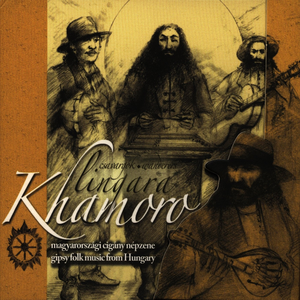
Lingara
The establishment of the ensemble Khamoro was initiated in 2002. Thus, it was established as a simple community of friends, though, in the end, a musical and dance performance was also created as a result of gatherings... The aim of the group, which is made up of enthusiastic Gypsy and Hungarian young people, is based on the collection, conservation, bequeathing and staging of Gypsy culture. In addition to these, they also give an insight to the music and dance culture of the Gypsies living far away. They do that as the cosmopolitans of the XXI. century, through their modern way of thinking. Concerning their programs, lays of Szatmár and Transdanubia, fast dance tunes and dance songs as well as Transylvanian, Serbian and Russian Gypsy tunes and dances also appear. They are complemented by Macedonian and oriental belly dance, hindu and flamenco choreograhpies. Recently they have successfully tried to create modern, thematic combinations, too. The relatively young ensemble can already take pride in two CDs: they presented themselves to the folk music-enthusiasts public with the album titled Lingara (Vagabonds) in 2007 as well as with the album under the title of Romano Rat (Gypsy Blood) in 2009. Besides several inland performances, they have already been on tours in Austria, Poland and Germany, too. Considering their official recognition, they were awarded the Public Life Prize in 2004. On the other hand, it is particularly important to mention the leader of the ensemble called Mr. Zsolt Farkas, who owned the title of Young Master of Folk Art even in the time of the establishment. In 2006 he deserved the Bronze Cross Decoration of Honour of the Republic. Regarding the ars poetica of the ensemble, the name Khamoro (Sun) is completely appropriate, since it is their special kind of creed what you can read in the cover of the CD: The Sun is a natural element and Gypsy culture is also that for us! By means of their music and dances they really represent original artlessness, the universality of Gypsy culture, its presence in the world as well as that brightness, heartiness, energy which we are provided by our most important natural element: the Sun keeping our world alive. [Magyarul] A Khamoro nevű formáció 2002-ben egyszerű, baráti közösségként indult, ám végül egy zenés-táncos produkció is született az összejövetelekből... A lelkes, cigány és magyar fiatalokból álló csoport célja a magyarországi és közép-európai, autentikus cigány kultúra gyűjtése, megőrzése, áthagyományozása, színpadra állítása; de ezzel együtt XXI. századi, modern gondolkodású világpolgárokként betekintést nyújtanak a távolabb élő cigányság zenei és tánckultúrájába is. Műsorukon egyaránt szerepelnek szatmári és dunántúli hallgatók, pergetők és táncnóták, vagy erdélyi, szerb és orosz cigány dallamok és táncok; ezt egészíti ki a makedón és keleti hastánc, az indiai és a flamenco koreográfiák. Az utóbbi időkben modern, tematikus összeállításokkal is sikeresen próbálkoznak. A viszonylag fiatal zenekar máris két cd-vel büszkélkedhet: 2007-ben a Lingara (Csavargók), 2009-ben a Romano Rat (Cigány vér) című albummal mutatkoztak be a népzene-kedvelő közönségnek. Számos hazai fellépésük mellett turnéztak már Ausztriában, Lengyelországban és Németországban is. Hivatalos elismeréseik között szerepel a 2004-ben odaítélt Közéleti Díj, s itt feltétlenül megemlítendő Farkas Zsolt együttesvezető, aki már az alapításkor a Népművészet Ifjú Mestere cím birtokosa volt, 2006-ban pedig Köztársasági Érdemrend Bronz Keresztjét érdemelte ki. Az együttes ars poeticájára nézve teljes mértékben találó a Khamoro (Nap) elnevezés, hiszen egyfajta hitvallásuk az, ami a cd-k borítóján is áll: A Nap életelem, számunkra a cigány kultúra is az! Zenéjükkel, táncaikkal valóban egyszerre képviselik az eredeti természetességet, a cigány kultúra egyetemességét, jelenlétét a világban, valamint azt a derűt, melegséget, energiát, amit legfontosabb lételemünk: a világunkat éltető Nap ad meg számunkra. Read more on Last.fm. User-contributed text is available under the Creative Commons By-SA License; additional terms may apply.
The establishment of the ensemble Khamoro was initiated in 2002. Thus, it was established as a simple community of friends, though, in the end, a musical and dance performance was also created as a result of gatherings... The aim of the group, which is made up of enthusiastic Gypsy and Hungarian young people, is based on the collection, conservation, bequeathing and staging of Gypsy culture. In addition to these, they also give an insight to the music and dance culture of the Gypsies living far away. They do that as the cosmopolitans of the XXI. century, through their modern way of thinking. Concerning their programs, lays of Szatmár and Transdanubia, fast dance tunes and dance songs as well as Transylvanian, Serbian and Russian Gypsy tunes and dances also appear. They are complemented by Macedonian and oriental belly dance, hindu and flamenco choreograhpies. Recently they have successfully tried to create modern, thematic combinations, too. The relatively young ensemble can already take pride in two CDs: they presented themselves to the folk music-enthusiasts public with the album titled Lingara (Vagabonds) in 2007 as well as with the album under the title of Romano Rat (Gypsy Blood) in 2009. Besides several inland performances, they have already been on tours in Austria, Poland and Germany, too. Considering their official recognition, they were awarded the Public Life Prize in 2004. On the other hand, it is particularly important to mention the leader of the ensemble called Mr. Zsolt Farkas, who owned the title of Young Master of Folk Art even in the time of the establishment. In 2006 he deserved the Bronze Cross Decoration of Honour of the Republic. Regarding the ars poetica of the ensemble, the name Khamoro (Sun) is completely appropriate, since it is their special kind of creed what you can read in the cover of the CD: The Sun is a natural element and Gypsy culture is also that for us! By means of their music and dances they really represent original artlessness, the universality of Gypsy culture, its presence in the world as well as that brightness, heartiness, energy which we are provided by our most important natural element: the Sun keeping our world alive. [Magyarul] A Khamoro nevű formáció 2002-ben egyszerű, baráti közösségként indult, ám végül egy zenés-táncos produkció is született az összejövetelekből... A lelkes, cigány és magyar fiatalokból álló csoport célja a magyarországi és közép-európai, autentikus cigány kultúra gyűjtése, megőrzése, áthagyományozása, színpadra állítása; de ezzel együtt XXI. századi, modern gondolkodású világpolgárokként betekintést nyújtanak a távolabb élő cigányság zenei és tánckultúrájába is. Műsorukon egyaránt szerepelnek szatmári és dunántúli hallgatók, pergetők és táncnóták, vagy erdélyi, szerb és orosz cigány dallamok és táncok; ezt egészíti ki a makedón és keleti hastánc, az indiai és a flamenco koreográfiák. Az utóbbi időkben modern, tematikus összeállításokkal is sikeresen próbálkoznak. A viszonylag fiatal zenekar máris két cd-vel büszkélkedhet: 2007-ben a Lingara (Csavargók), 2009-ben a Romano Rat (Cigány vér) című albummal mutatkoztak be a népzene-kedvelő közönségnek. Számos hazai fellépésük mellett turnéztak már Ausztriában, Lengyelországban és Németországban is. Hivatalos elismeréseik között szerepel a 2004-ben odaítélt Közéleti Díj, s itt feltétlenül megemlítendő Farkas Zsolt együttesvezető, aki már az alapításkor a Népművészet Ifjú Mestere cím birtokosa volt, 2006-ban pedig Köztársasági Érdemrend Bronz Keresztjét érdemelte ki. Az együttes ars poeticájára nézve teljes mértékben találó a Khamoro (Nap) elnevezés, hiszen egyfajta hitvallásuk az, ami a cd-k borítóján is áll: A Nap életelem, számunkra a cigány kultúra is az! Zenéjükkel, táncaikkal valóban egyszerre képviselik az eredeti természetességet, a cigány kultúra egyetemességét, jelenlétét a világban, valamint azt a derűt, melegséget, energiát, amit legfontosabb lételemünk: a világunkat éltető Nap ad meg számunkra. Read more on Last.fm. User-contributed text is available under the Creative Commons By-SA License; additional terms may apply.
Betyár Aki Selyemingben Cicázik - Szatmári Táncnóta
Par��zslik a dal
Lingara/Csavargók
E Mery-Mari
Tromfot Vág A Cigány (Tromfo Shinel O Rom) - Felső-Tisza / Vidéki Táncnóta
Parázslik a dal
Romani Rat (Cigány Vér) - Erdélyi Hangszeres Zene
Lingara - Csavargók
Mátészalkán A Cigányok Mulatnak - Felső Tisza / Vidéki Cigány Csárdás
Aven Te Khelen! (Gyertek Táncolni!) - Erdélyi Táncnóta
O Rántási (A Rántás) - Szatmári Cigány Táncdallam
Liliana - Szatmári Táncnóta
Ande Bijav (A Lakodalomban) - Pest Megyei Pergető
O Colári - A Szőnyeges Cigány
Angarel e gilyi - Parázslik a dal
Seripe (Emlék) - Szatmári Dallam
More Aszva (Könnyeim) - Somogy Megyei Cigány Hallgató
Annamary - Szatmári Táncnóta
Kana Rovav (Mikor Sírok) - Szabolcsi Cigány Hallgató
Opp
Remény (Patyamo) - Oroszos Táncdallam
More Cine Csiriklya (Az Én Kis Madaraim) - Szatmári Táncnóta
Mori Raca (A Kacsám) - Szatmári Táncnóta
Balázs Vilma Emlékére - Szatmári Táncnóta
Diktá shej - Nézz ide te lány
Amott Kerekedik
Jek Thaj Duj Thaj Bish Thaj Duj - Egy Kettő Huszonkettő
Mishtoj mange romnyi - Jó az nekem asszony
Lingara / Csavargók
Lingara/Csavarg'ok
O Vojako Shavo - A Jókedvű Fiú
Seripe (Emlék) - Remix
Angarel e gilyi
E somnakunyi shej - Az aranyos lány
Angarel E Gilyi (Parázslik A Dal)
E Mery - Mari
O khelyipo - A tánc
Lingara/Csavargуk
O Colári (A Szőnyeges Cigány)
Lingara/Csavargok
Lingara /Csavargók
Opp!
E Mery
Lingara (Csavargók)
Betyár Aki Selyemingben Cicázik (Szatmári Táncnóta)
O Khamoro/Napsugar
Jek Thaj Duj Thaj Bish Thaj duj/Egy Ketto Huszonketto
Remeny
O vojako shavo-A jókedvű fiú
E Mery (Mari)